
Blue Ventures
Strategy 2030
Unlocking power with coastal communities

The challenge ahead
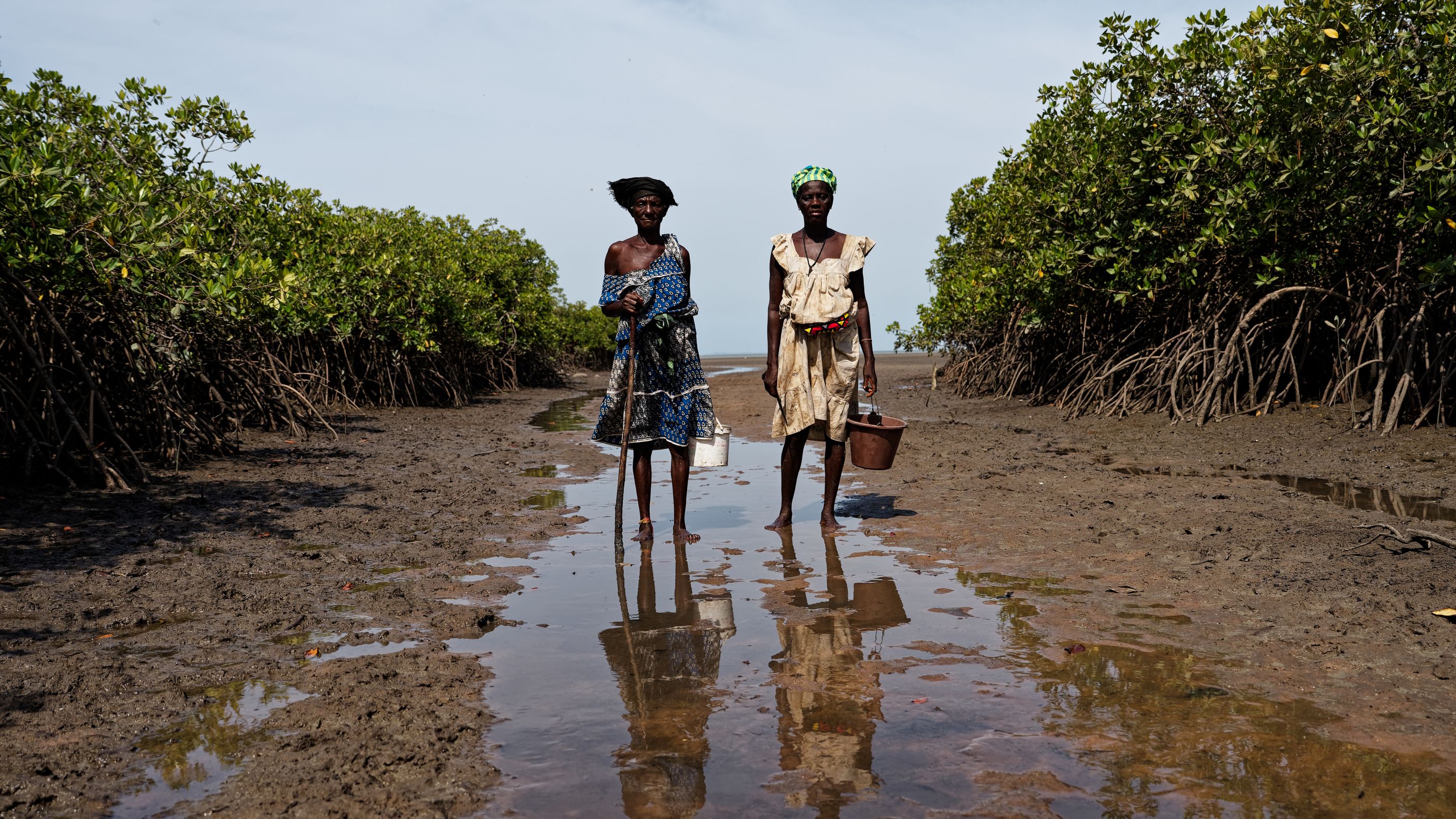
Across the world’s tropical coastlines, communities are facing a perfect storm. Climate breakdown, biodiversity collapse, and industrial overexploitation are converging to accelerate the degradation of our ocean. The result is a humanitarian, ecological and economic crisis.

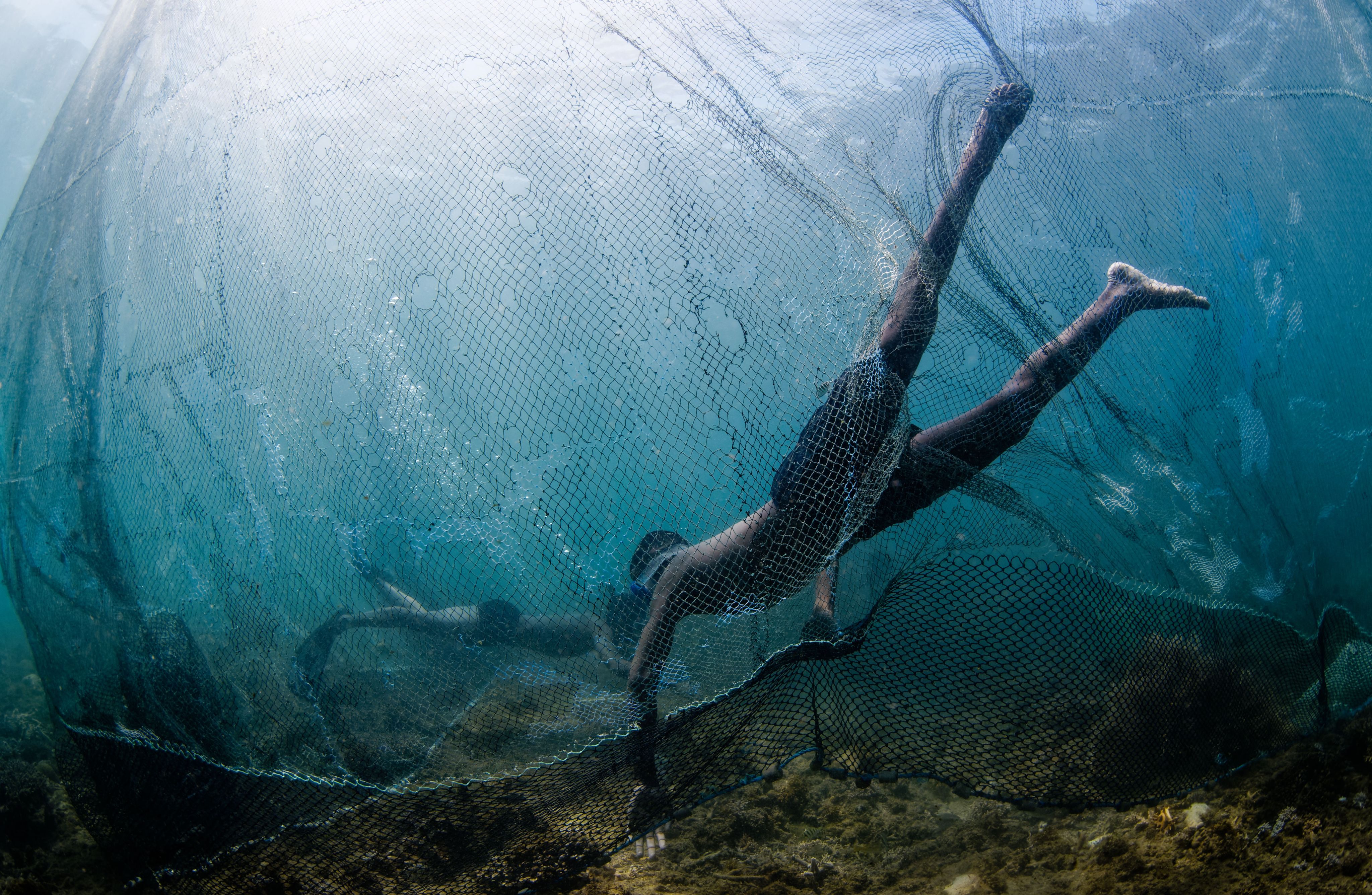
We believe that the power to restore our oceans lives in coastal communities, and unlocking that power can turn community action into unstoppable waves of change.
The opportunity
85,000 COASTAL COMMUNITIES LIVE ACROSS LOW-INCOME COUNTRIES IN THE TROPICS
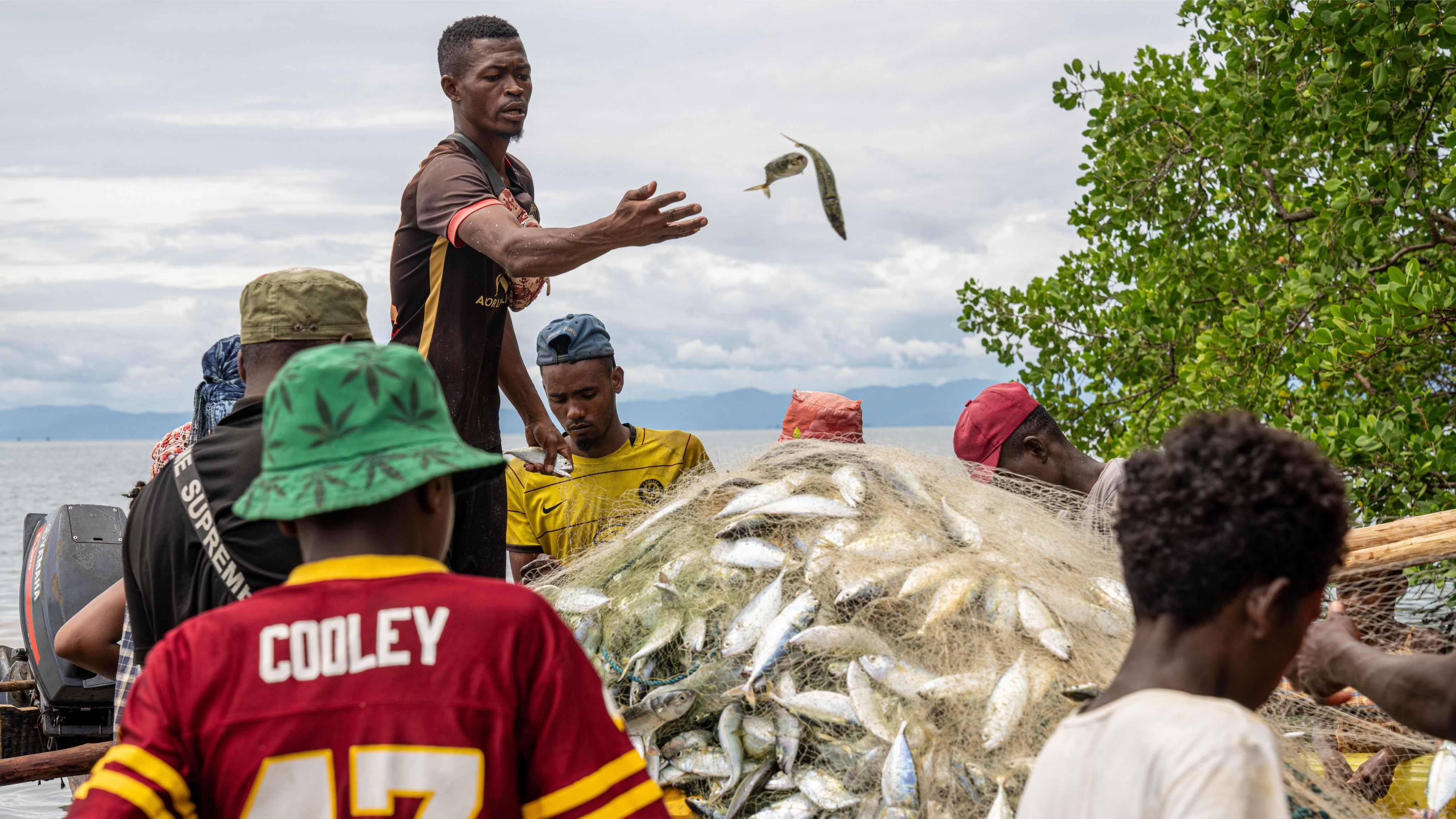
These communities are home to more than 225 million people, 1 in 4 of whom are sustained by the small-scale fisheries that provide their food, support their livelihoods, and shape their social and cultural identities.
These subsistence fisheries land 25 million tonnes annually, yet they remain largely invisible to governments and donors alike, leaving their connected communities politically and economically marginalised.
We believe that the power to restore our oceans lives in coastal communities, and unlocking that power can turn community action into unstoppable waves of change.
If the systemic barriers to funding, data, training, and advocacy are removed, coastal communities can strengthen stewardship of their coastlines and drive lasting recovery.


Who we are


Our vision
Our vision is a future where coastal life thrives in and out of the water. A future where communities have the agency and resources needed to protect their livelihoods, culture and biodiversity for generations to come.


Our mission
Our mission is to support coastal communities to strengthen stewardship of their coastlines and drive lasting recovery.

Our purpose
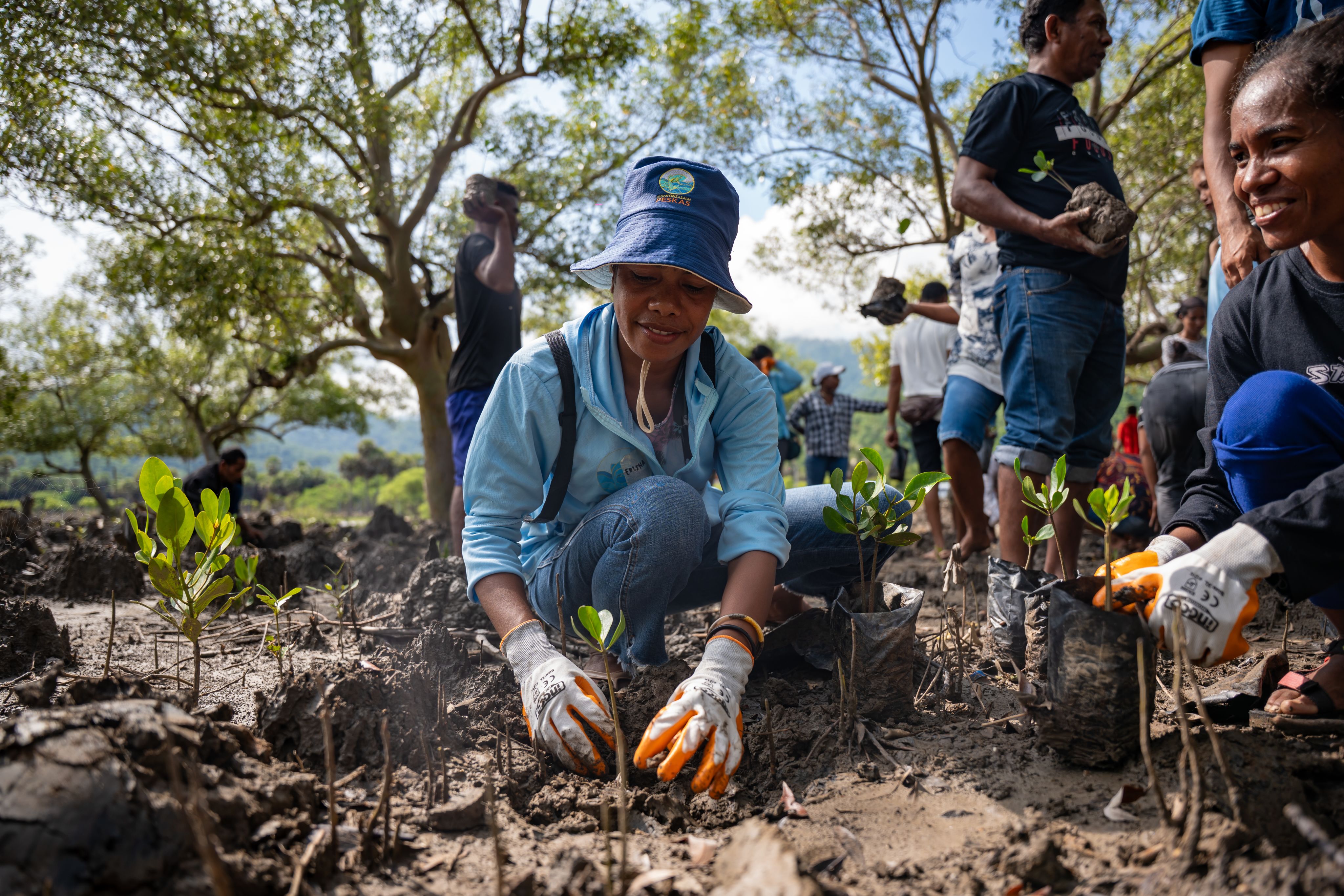
Community-powered change is our purpose—an aspiration that guides everything we do. It describes a world in which the power of coastal communities is unlocked, inequity and marginalisation is redressed, and community action builds into waves of unstoppable change.
Our goals
Blue Ventures is catalysing a global network of local action. By 2030:

5 million people
will be experiencing increased food security and economic resilience

10,000 communities
will be enabled to lead fisheries management and marine conservation


200,000 km2 of coastal seas
will be brought under effective local stewardship
400 civil society organisations
will be supported with funding, data, training, and advocacy
Thriving communities. Thriving oceans.
Success means the realisation of our vision of coastal life thriving in and out of the water. Communities are exercising their rights, managing fisheries sustainably, and seeing real improvements in wellbeing. Ecosystems are stable or recovering—even halting decline is progress. Food security is stronger, incomes more resilient, and governance inclusive and trusted.

Removing barriers to community-powered change
Our 2021-2025 strategy taught us that progress at scale cannot happen unless four deep systemic constraints are addressed. These factors have shaped how marine conservation has been practised and they explain why well-intentioned efforts so often fail to scale or sustain.

Limited funding
Local organisations are locked out of formal finance systems. Funding tends to be short-term, fragmented and donor-directed, with high transaction costs and low tolerance for risk.

Knowledge in isolation
Effective community-based efforts are frequently isolated and unsupported. And cross-learning, peer networks, and practical training are missing, meaning organisations repeatedly reinvent the wheel.

Lack of data
Most small-scale fisheries operate in the dark. Governments lack visibility. Communities lack tools. Where data exists, it is often extractive, outdated, and unusable by those closest to the problem.

Political marginalisation
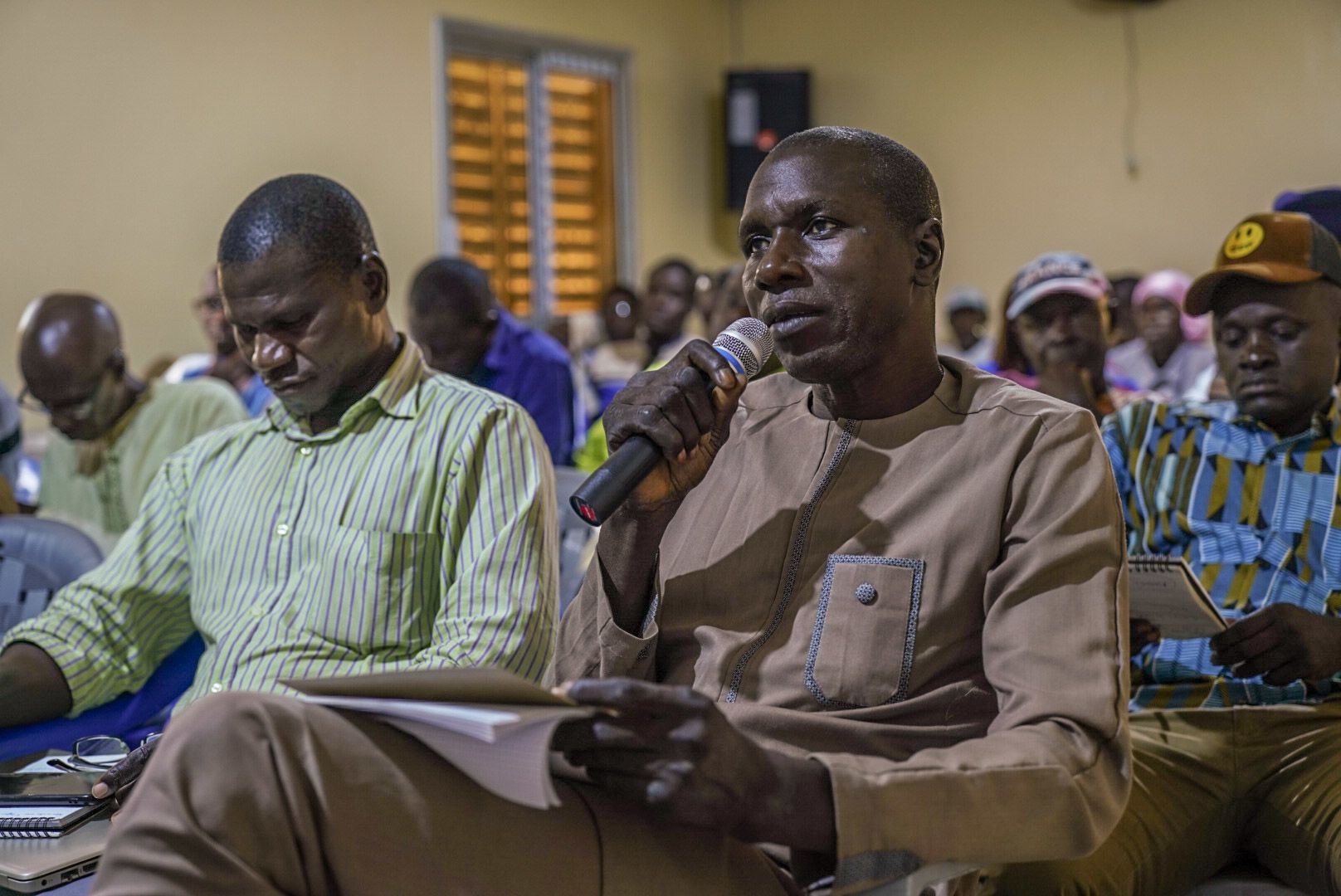
Despite their numbers and importance, small-scale fishers are routinely excluded from decision-making. Their voices are not heard. Their rights are not recognized, and their priorities are not reflected in national policies.
Our comprehensive approach tackles these barriers with four enabling focal points:

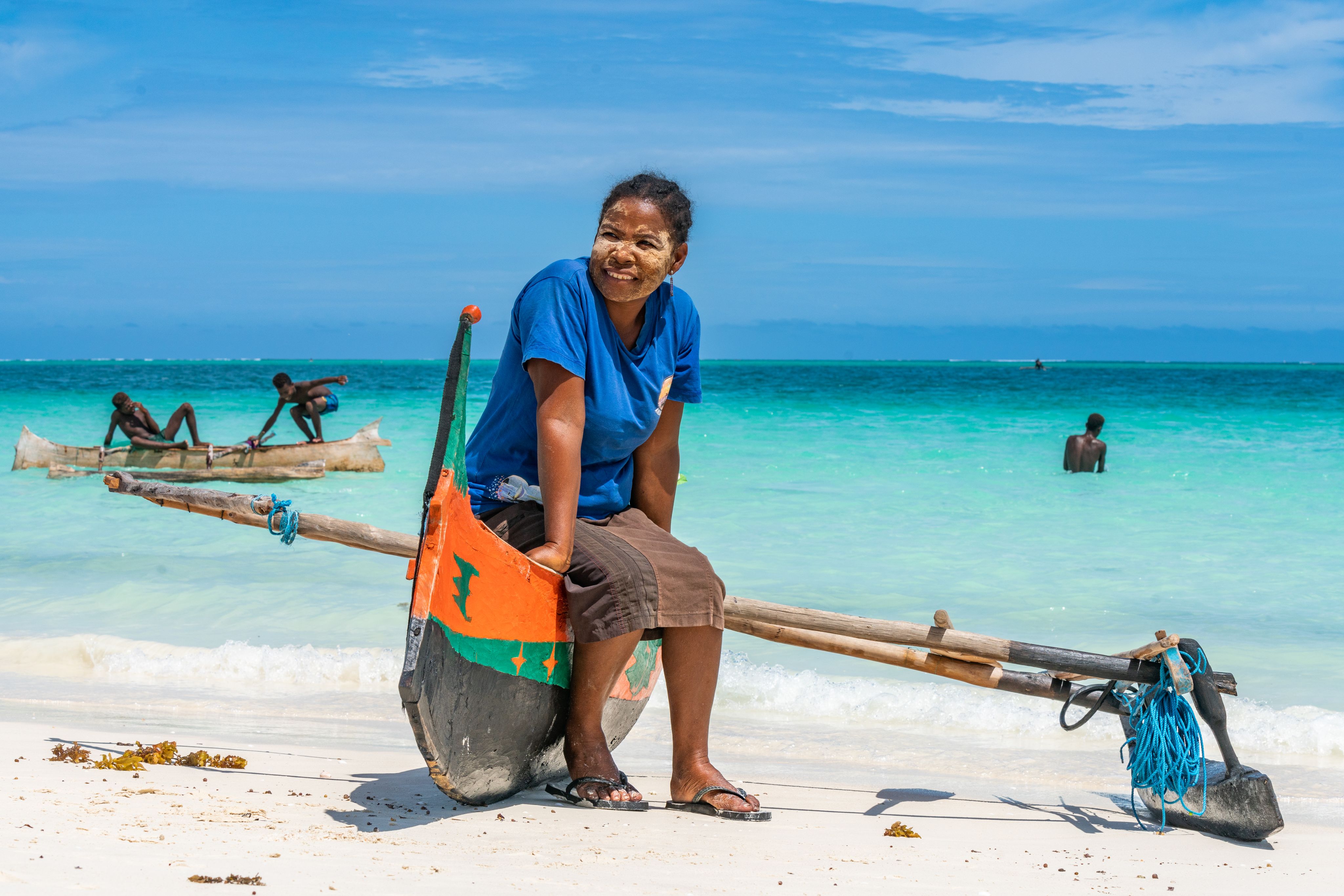
Funding
The Frontline Community Fund offers multi-year, flexible finance to local organisations, removing access barriers and building resilience.

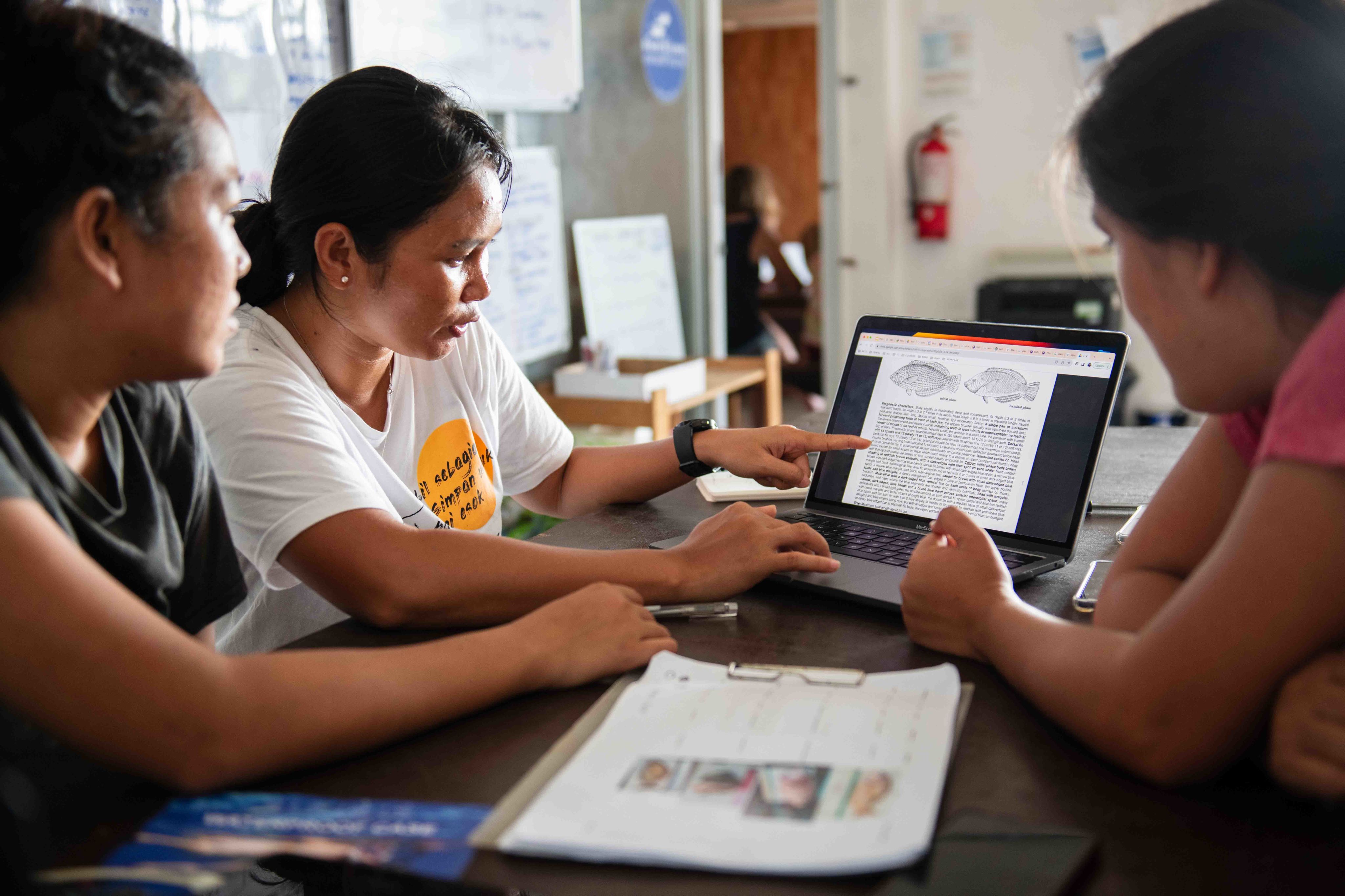
Training
We deliver peer-to-peer learning, curricula, and tools to support community-led governance, fisheries management, and organisational development.

DData
Community-owned data platforms provide real-time, usable information on fisheries, habitats and outcomes, enabling better-informed decision-making and effective advocacy.

Advocacy
We support community and partner voices to be heard and elevated in policy spaces, at local, national, and global levels.
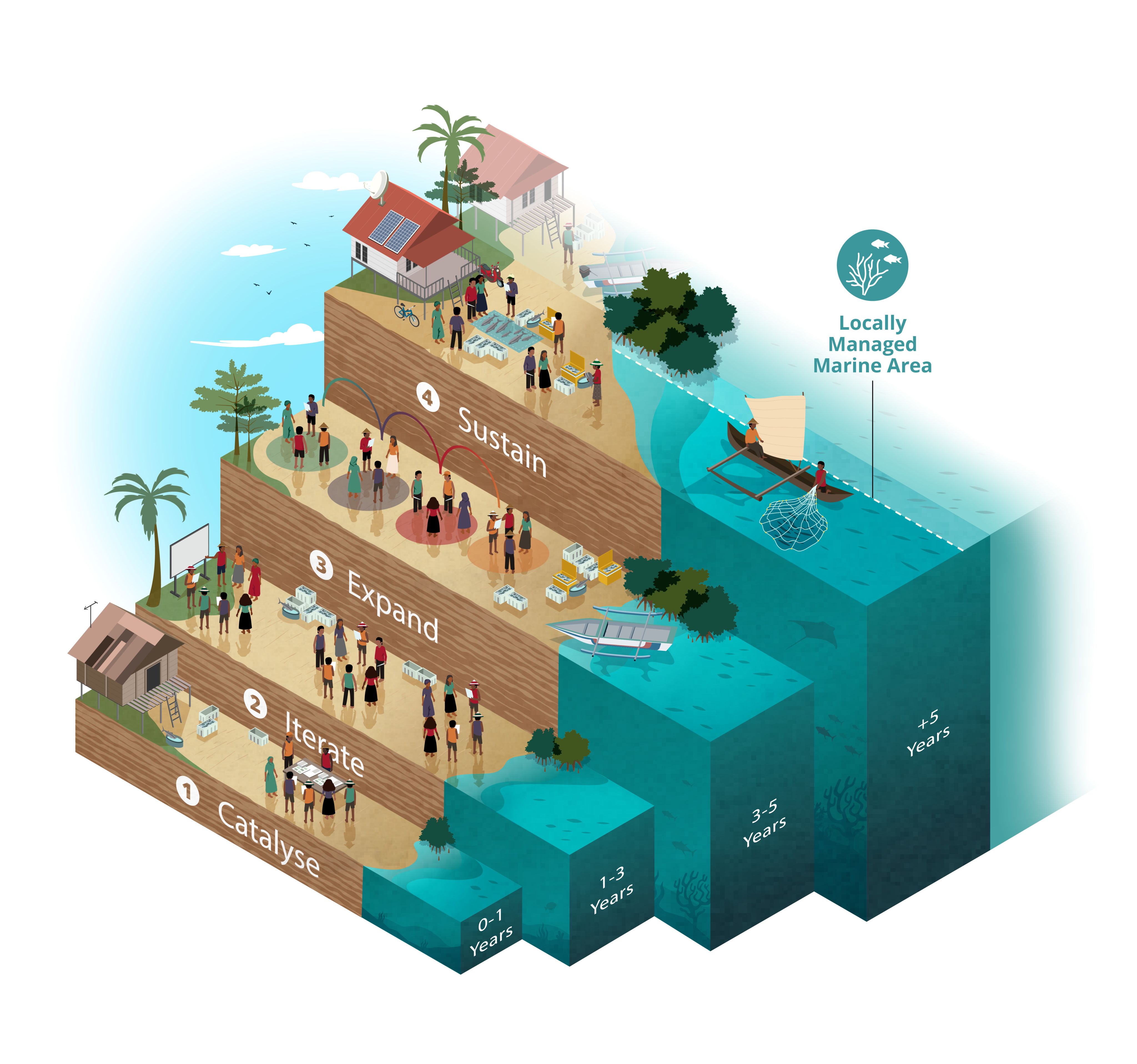
The Community Pathway
Our work enables communities to move through a phased framework that builds from engagement to sustained ecosystem management. Rather than imposing a single blueprint, this pathway provides flexible, locally defined progression toward long-term stewardship, rooted in local realities and shaped by communities themselves.
Steps along the Community Pathway
1) Catalyse - Community awareness,
organisation, and early action
2) Iterate - Pilot and learn from initial
actions like temporary closures and participatory
data collection
3) Expand - Introduce new management tools
and connect with peer communities
4) Sustain - Secure governance, financing and legal recognition

Locally Managed Marine Areas
The outcome of the Community Pathway is a Locally Managed Marine Area (LMMA).
These legal and functional locally managed marine areas integrate multi-species and ecosystem-based fisheries management. Managing fisheries and retaining the benefits they generate are inextricably linked. So, these areas represent aligned efforts that enable communities to capture, retain, and safeguard the food and income derived from sustainable fisheries.
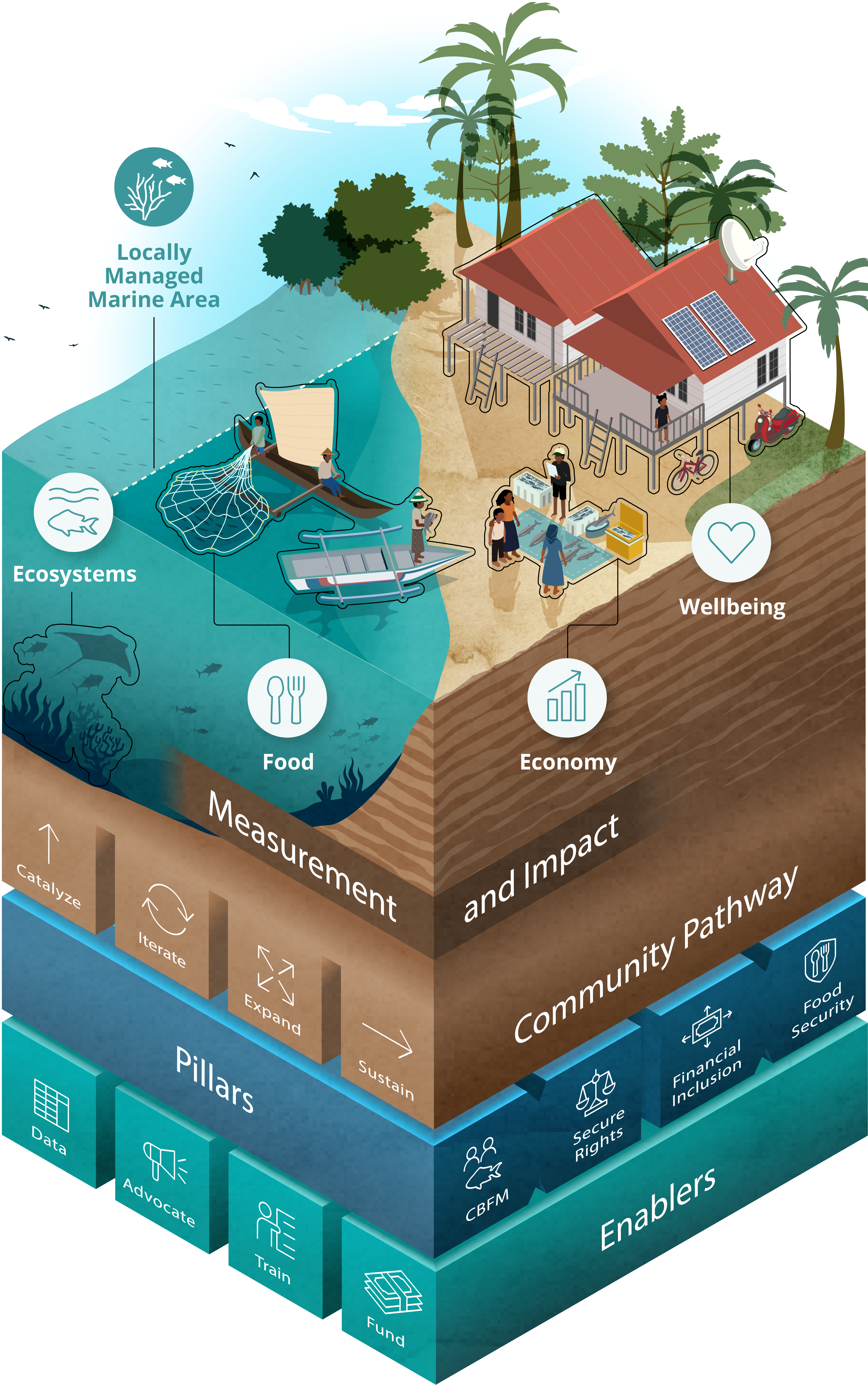
Measuring our impact
Achieving scale is not the same as achieving change. We must be able to demonstrate that the ecosystems we aim to protect are recovering, and that the communities we partner with are better off in measurable, meaningful ways.
We define impact not only as ecological recovery, but as measurable improvement in people’s livelihoods, wellbeing, rights, and food security. So our approach integrates both ecological and social outcomes.
This impact will not be ours alone. It will be the result of collective effort—of communities, partners, and peers working together to drive locally-led change.
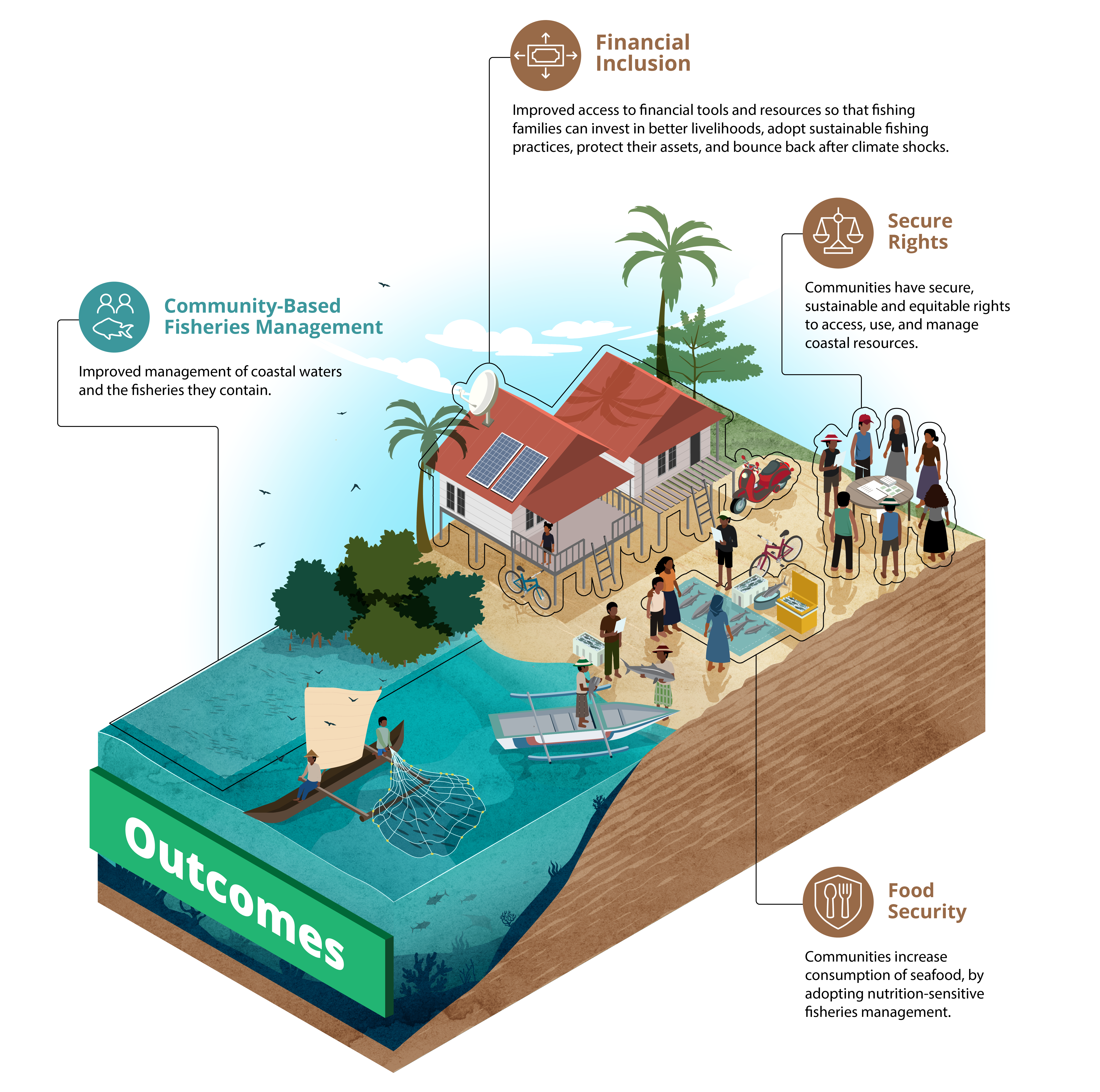
We track change across four core outcome areas, reflective of our pillars of work:

Community-based fisheries management
Supporting fishers to organise, plan, implement, and adapt local fisheries management strategies for more sustainable, resilient fish stocks.

Secure
rights
Enabling communities to gain formal recognition over access, use, and governance of coastal and marine resources, ensuring long-term authority and accountability in managing their areas.

Financial inclusion
Helping fisher households build financial literacy, establish savings groups or micro-businesses, and access appropriate financial services, improving resilience and economic independence.

Food
security
Ensuring fisheries management supports local nutrition by prioritising nutrient-rich species, household consumption, and improved post-harvest handling.
Monitoring tools
Two methods together provide a comprehensive view of how community-led fisheries management affects both ecosystems and people:
- Community fisheries data system: An open, near real-time platform that supports communities, partners, and governments to track fisheries, habitats, and management efforts. It provides locally owned data for informed decision-making, with built-in safeguards for ethical and consent- based sharing.
- Household survey: A standardised tool that captures key indicators of social and economic wellbeing, including income, nutrition, resilience, and trust in governance.
Measurement tools
We’ll use two linked composite indices to track our impact:
- The Community Fisheries Health Index (CFHI): Capturing change in ecosystem status, fishery productivity, and management effectiveness
- The Community Benefit Index (CBI): Capturing changes in income, nutrition, food availability, resilience, trust, and community participation
These indices include gender-sensitive indicators that track inclusion and participation in decision-making, access to benefits, and resilience outcomes, whilst recognising that equitable outcomes require intentional efforts to address the systemic barriers to inclusion.
Our model
We do not aim to do everything, everywhere. Instead, we focus all of our efforts—through our four work streams—on what enables communities and partners to reach and sustain the outcome of locally managed marine areas.
"BV’s support with direct funding has made a real difference. It has given us the means to fulfill our responsibilities as resource managers. We secured a [community management] contract for seven village fisheries and recruited and trained 100 community patrollers, officially recognised to defend our waters. This support also built our confidence and capacity to manage our LMMA more effectively.”
— Ahmed Mouktar Hamad, president of Manongalaza CBO, Madagascar

Where we work
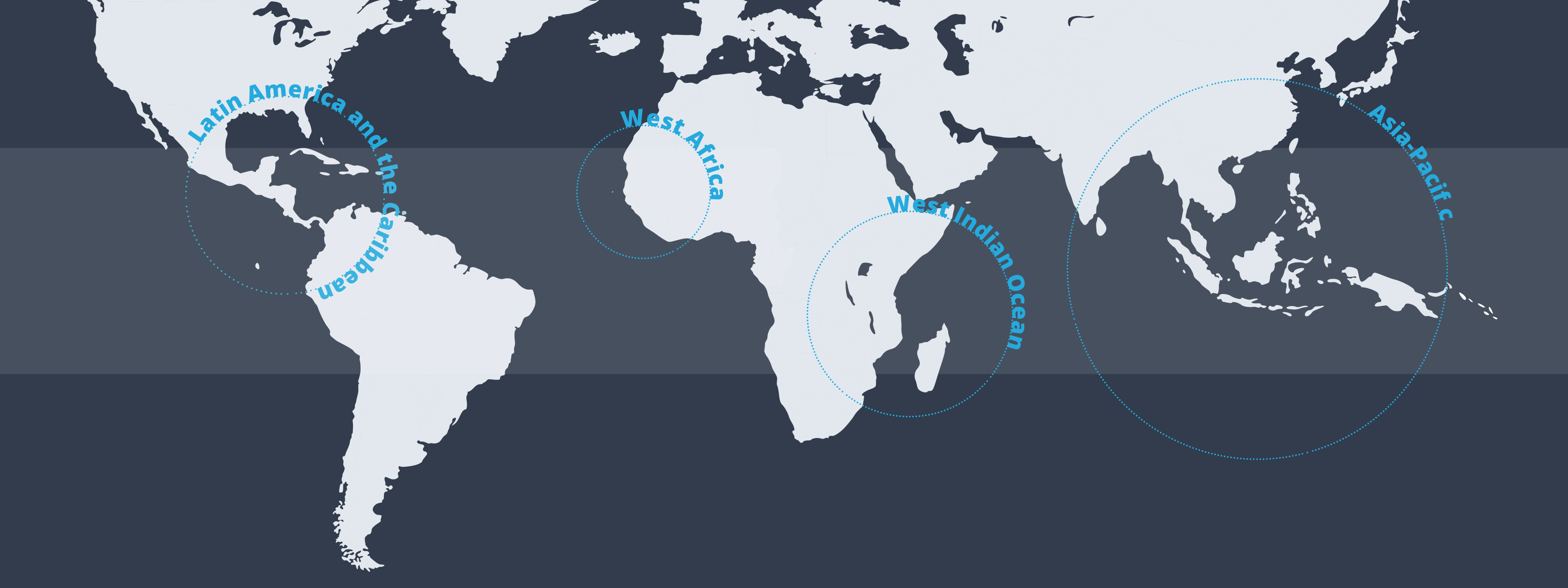
Of the estimated 85,000 coastal communities across lower-income countries in the tropics, not all fall within the practical or ecological scope of our work. To focus our efforts on areas that can provide the highest level of impact, we consider various factors, including:
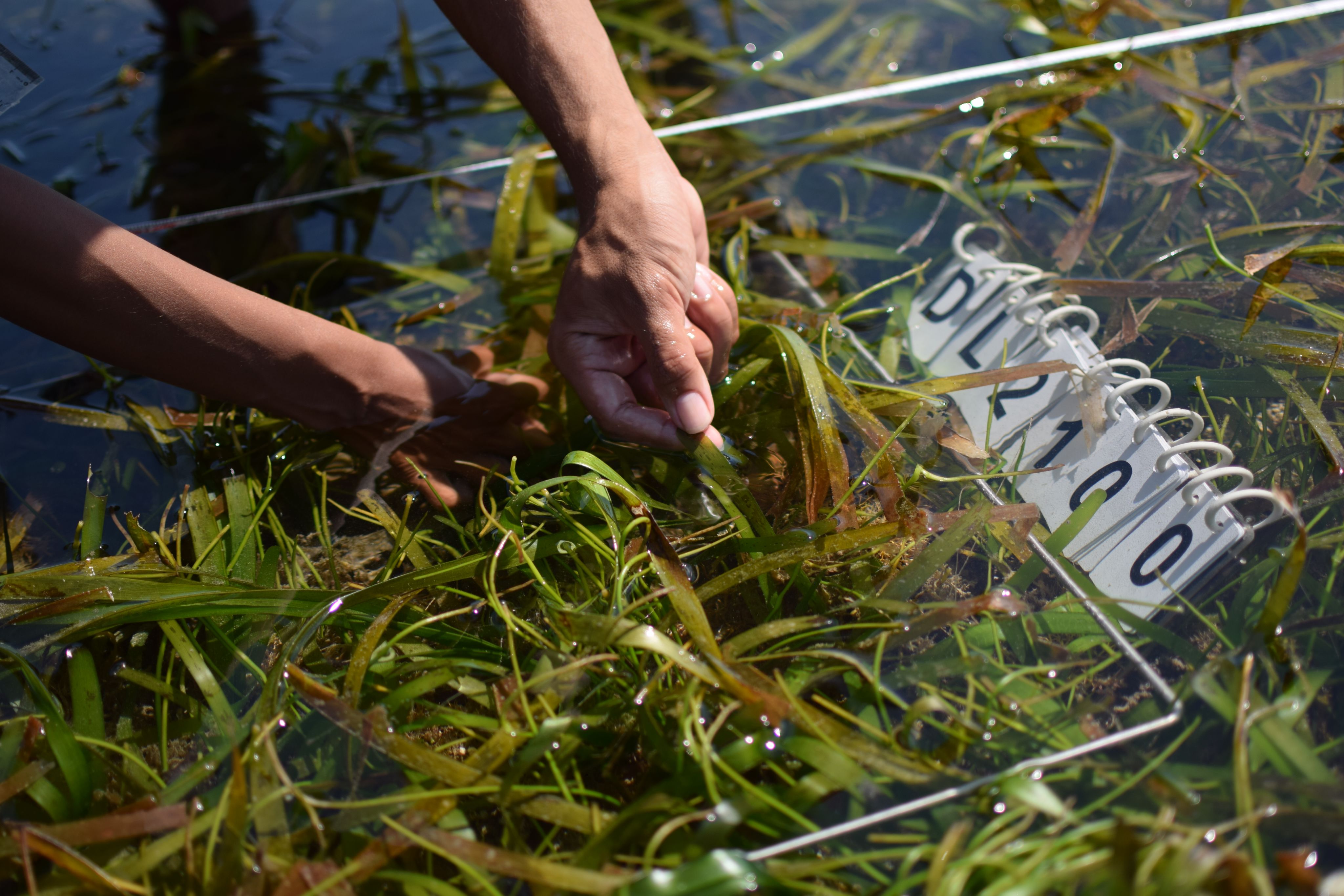
The presence of critical habitats (mangroves, seagrasses, coral reefs)
The role of small-scale fisheries as the mainstay of communities’ food and income

Alignment with national policy environments

Enabling conditions such as political stability, civil society presence, and partner readiness
We then cluster efforts in areas where multiple communities are located within shared ecological zones and political jurisdictions.

The road ahead
These projections outline our anticipated growth in partner numbers, community reach, and regranting volume from our 2026 to 2030 financial years. These estimates are based on our current delivery model, pipeline assessments, and capacity, and are intended to guide resource planning, investment prioritisation, and performance tracking. Some targets, e.g. no. of partners, are projected to be reached earlier than others.
Regranting


Ripple effect
Our goal is that, by 2030, 10,000 communities are enabled to lead fisheries management and marine conservation, and 400 civil society organisations are supported with funding, data, shared tools, training and learning, and effective advocacy.


The network effect means our growth in delivery partner numbers and community reach will be organic, with growth rate proportional to size. As the network grows, a positive feedback loop will stimulate a ripple effect, creating an exponential rate of adoption.
This strategy is an invitation.
To funders: Trust communities. Support local organisations. Fund flexibility, not just deliverables.
To partners: Connect. Learn. Share. There's a growing network facing the same challenges, celebrating the same successes.
To communities: Lead. Your knowledge matters. Your voice deserves to be heard.
Our job is to unlock the power that already exists in coastal communities worldwide.


Images used in this story are the copyright of Blue Ventures/Rewild

 Built with Shorthand